-
 1 × R50.00
 -
 1 × R330.00
Subtotal: R380.00
Subtotal: R380.00
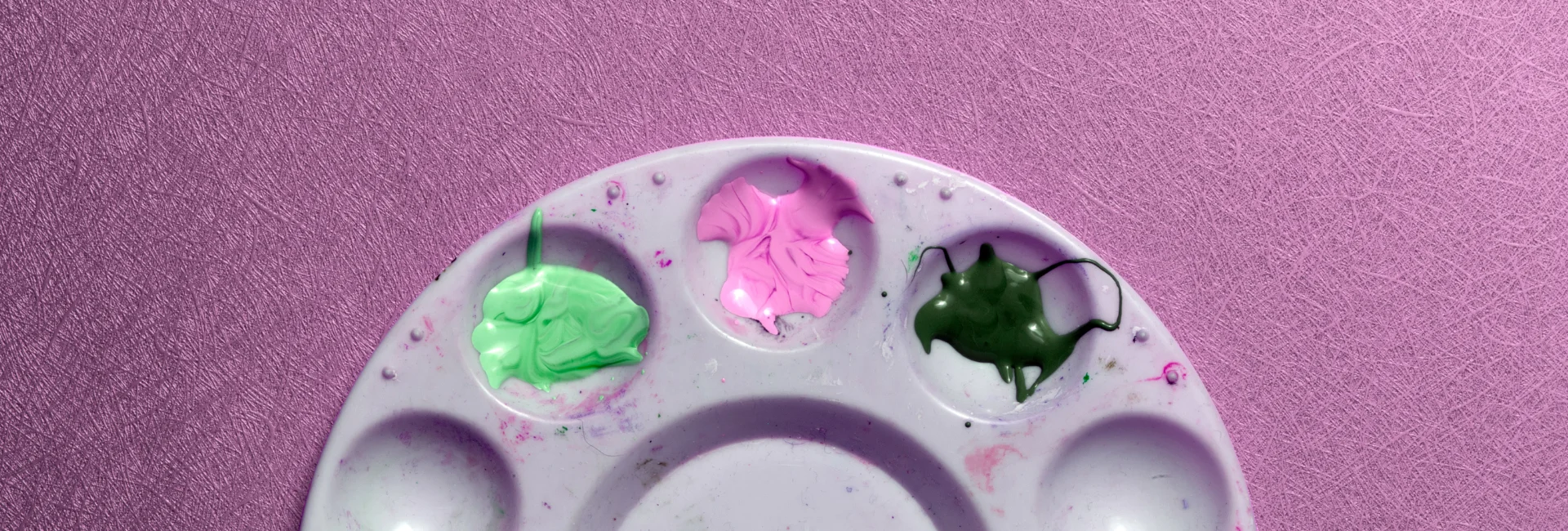
Plastic paint palettes are a staple in many artists’ toolkits, bringing a blend of lighthearted practicality and cheerful affordability. Let’s dive into why they might just be the unsung heroes of the art world.
Plastic palettes offer a host of advantages, making them a popular choice among artists of all levels.
Even the best plastic paint palettes need a bit of TLC to keep them in top condition. Here are a few tips to ensure your palette stays in pristine shape:
Here’s a handy table for quick reference on how to handle your plastic paint palette:
| Issue | Solution |
|---|---|
| Fresh Paint | Rinse with water immediately |
| Dried Acrylic | Scrape gently with a palette knife or soak in warm, soapy water |
| Watercolour Beading | Rough up the surface lightly |
| Stubborn Stains | Use rubbing alcohol, then rinse thoroughly |
In summary, the humble plastic paint palette offers a host of benefits for the budding artist and seasoned professional alike. While they might not have the class of porcelain or the nostalgia of wood, they win out in terms of versatility, ease of use, and affordability.
Choosing the right palette is akin to selecting your superhero alter-ego; it’s all about finding the one that suits your artistic superpowers. Let’s dive into the world of palettes and figure out what works best for you.
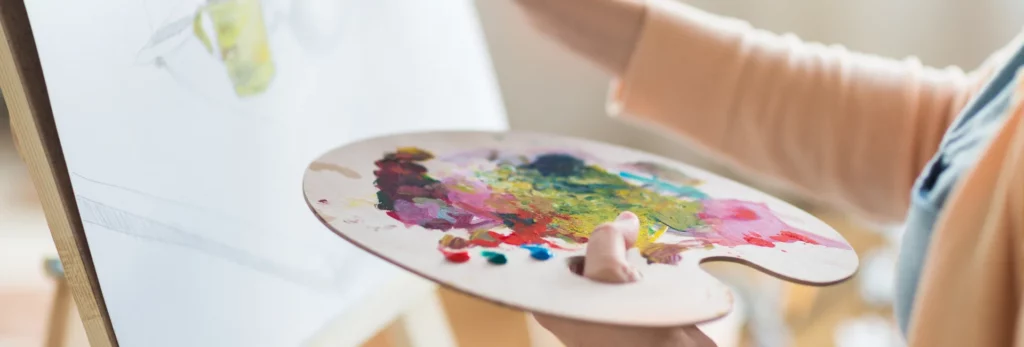
Plastic paint palettes are a favourite among beginner artists. Their lightness, affordability, and durability make them an attractive option for acrylic painters and Plein air artists. The washability factor is another feather in their plastic cap. However, these palettes can be a bit… well, temperamental with watercolors. Paint tends to bead due to its interaction with water, but don’t let that burst your bubble. A bit of roughing up on the surface can sort that out.
| Attribute | Plastic Palettes | Porcelain Palettes |
|---|---|---|
| Weight | Light | Heavy |
| Durability | High (but may stain and yellow) | High but breakable |
| Cleaning | Easy but may stain | Easy, no stains |
| Best for | Acrylic & Plein air | Studio use, watercolors |
| Environmental Impact | Less friendly | More friendly |
On the swanky end of the spectrum, porcelain palettes are a dream. They don’t bead, they don’t stain, and they’re easy to clean. These palettes are perfect for studio use due to their durability and excellent mixing surface. Their one Achilles heel? They’re heavy and breakable, so not the best choice for outdoor adventures.
Metal palettes are the posh cousins in the palette family. They might not be as light as plastic, but they offer a luxurious feel with their enameled surface. For artists who travel with their supplies, metal palettes can be a fantastic choice. However, it’s important to keep them well-maintained to prevent rusting. A bit of scrubbing can go a long way in preserving their shine. These palettes can accommodate watercolour pans or even a travel brush, making them versatile for Plein air painting.
| Attribute | Metal Palettes |
|---|---|
| Weight | Moderate |
| Durability | High, but avoid rusting |
| Cleaning | Requires scrubbing |
| Best for | Watercolor, travel-friendly |
| Surface | Smooth, enameled |
Selecting a palette shape is like picking your sidekick. Do you need a trusty round palette, a classic rectangular one, or perhaps something more exotic like an oval?
Ultimately, the choice of palette shape is a personal preference. It’s about finding what feels right in your hand and works best with your style of painting. Whether you’re a fan of plastic, porcelain, or metal palettes, and regardless of the shape you choose, remember it’s all about making your artistic journey a tad bit smoother and a lot more fun. Happy painting!
When it comes to painting, why spend a fortune on fancy palettes when you can create your own masterpiece holders with items lying around the house? Let’s dive in!
First off, put down that overpriced palette and pick up an empty plastic container. Yes, the same one from last night’s takeaway. Flip it over, and voila! You’ve got yourself a reusable palette that’s ready for a splatter of creativity.
Feeling a bit more adventurous? Grab that old cardboard and give it a new lease of life. Use the laminated side, or cover it up with plastic wrap or tinfoil for an easy-peasy cleanup later.
Here’s a quick list of household items that can transform into paint palettes:
Now, while you’re crafting these masterpieces, it’s crucial to be kind to Mother Earth. Here are some practices to keep your painting as green as that vibrant emerald hue on your brush.
Acrylic paints are fantastic, but they do have a disposal dilemma. Letting them dry on your palettes and peeling them off for disposal works like a charm (Eco Kids Art).
Student-grade paints are not only more affordable, but they also have a better chance of breaking down and evaporating in the environment. However, avoid disposing of them in soil where your prize-winning tomatoes are growing.
Give hazardous materials the boot. Say no to varnishes, gloss coats, mineral spirits, paint thinners, acetone, and turpentine. Opt for natural alternatives to preserve and protect your artworks and the environment.
Incorporate these tips and turn your painting session into an eco-friendly craft. Happy painting without the guilt!✨
One of the biggest challenges for artists is keeping their paint fresh. Fear not, for we have uncovered some brilliant solutions that will ensure your paints remain as vibrant as your imagination.
Airtight plastic palettes are a revelation for artists who constantly war against dried-up paint! Among the champion contenders is the Acryl-a-Miser Palette with an airtight lid. This palette seals completely, keeping paints wet indefinitely. Yes, you read that right. Add a wet piece of sponge inside, and you’ll be amazed at how your acrylics stay as fresh and creamy a week later.
Not just for china dolls, porcelain palettes are a fantastic option for keeping your acrylic paints wet. Add water or wet sponges to these palettes, fit the dust cover carefully, and presto! Your paints will remain fresh and creamy for over a week.
Think ceramics are just for pottery? Think again! Ceramic palettes are yet another great option for artists who want to keep their paint from drying out. Their hefty weight helps prevent accidental spills, and their smooth surface is perfect for mixing paints. Plus, they are incredibly easy to clean. Not only functional but also a classy addition to any artist’s workspace. And who doesn’t want to add a touch of class to their creative chaos?
By knowing your palette options, you can keep your paint as fresh as your ideas. Happy painting!
When it comes to choosing the ideal paint palette for your artistic endeavours, it’s essential to consider your painting medium and the specific needs that come with it. Here, we’ll delve into the best palettes for watercolour and some cheeky but effective strategies for keeping your paints fresh and lustrous.
Choosing the right palette for watercolour can be akin to choosing your favourite paintbrush—crucial for achieving those dreamy washes and intricate details. Here’s a breakdown of the most popular choices:
| Palette Type | Material | Portability | Preparation Needed | Cost |
|---|---|---|---|---|
| Plastic Palette | Plastic | High | Prep before use Watercolor Misfit | Budget-Friendly |
| Ceramic Palette | Ceramic | Low | None | Mid to High |
| Porcelain Palette | Porcelain | Low | None | High |
| Metal Palette | Metal | High | Prep before use | Mid to High |
Plastic paint palettes are a popular choice because of their affordability and portability. Heavier than a feather but lighter than your art hope chest, a plastic palette is easy to carry and perfect for painting on the go. They do require prepping to prevent paint from pooling—nothing a sturdy toothbrush and a bit of toothpaste can’t fix.
If you fancy some heft and elegance, ceramic and porcelain palettes are your go-to. They don’t need any prepping, and their smooth surfaces make mixing an absolute delight. These palettes might not be the easiest to lug around, but their weight can be a bonus if you want stability while working on your latest masterpiece.
Metal palettes offer robustness and high portability—making them ideal for outdoor painting adventures. Remember, you’ll need to rough up the metal surface a bit before use to keep those colours perfectly pooled.
Maintaining the freshness of those blobs of vibrant paint can be a bit tricky, but not impossible. Here are some clever strategies:
By choosing the right palette and employing clever techniques to maintain your paints, you can ensure that your artistic process is as smooth and enjoyable as possible.